


Music
Music
Intent
At Bryn Offa, our intent is to deliver a rich, inclusive, and spiritually nourishing music curriculum that reflects the ambitions of the Model Music Curriculum. We aim to provide all pupils with high-quality musical experiences that inspire creativity, build confidence, and foster emotional and spiritual development.
Our curriculum is designed to:
- Develop musical knowledge and skills through progressive teaching of singing, listening, composing, and performing, in line with MMC’s core strands
- Promote spiritual growth by using music as a reflective and expressive tool in collective worship, thematic learning, and cross-curricular experiences
- Celebrate diversity and inclusion, ensuring music is accessible to all learners, including those with SEND, and drawing on a wide range of musical traditions and genres
- Encourage creativity and collaboration through opportunities for ensemble work, improvisation, and composition, supporting pupils’ personal and social development
- Enrich the wider curriculum by embedding music into interdisciplinary projects, outdoor learning, and artistic exploration, aligned with Bryn Offa’s values and ethos.
Implementation
To realise our intent, music at Bryn Offa is delivered through a structured, progressive curriculum (Sing Up) that reflects the core strands of the Model Music Curriculum: Singing, Listening, Composing, and Performing. Our approach is inclusive, creative, and spiritually enriching, ensuring all pupils access high-quality musical experiences.
Singing:
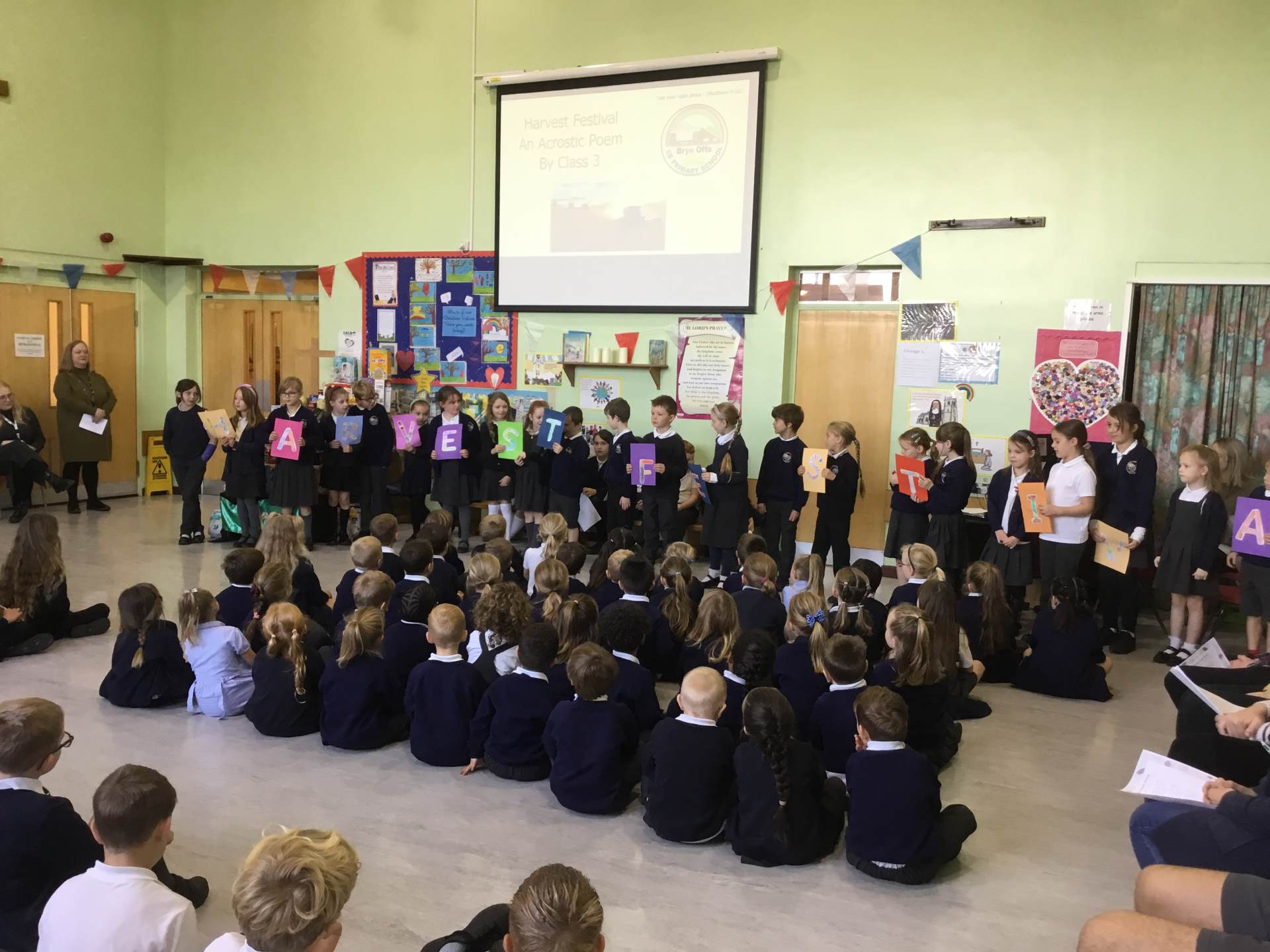
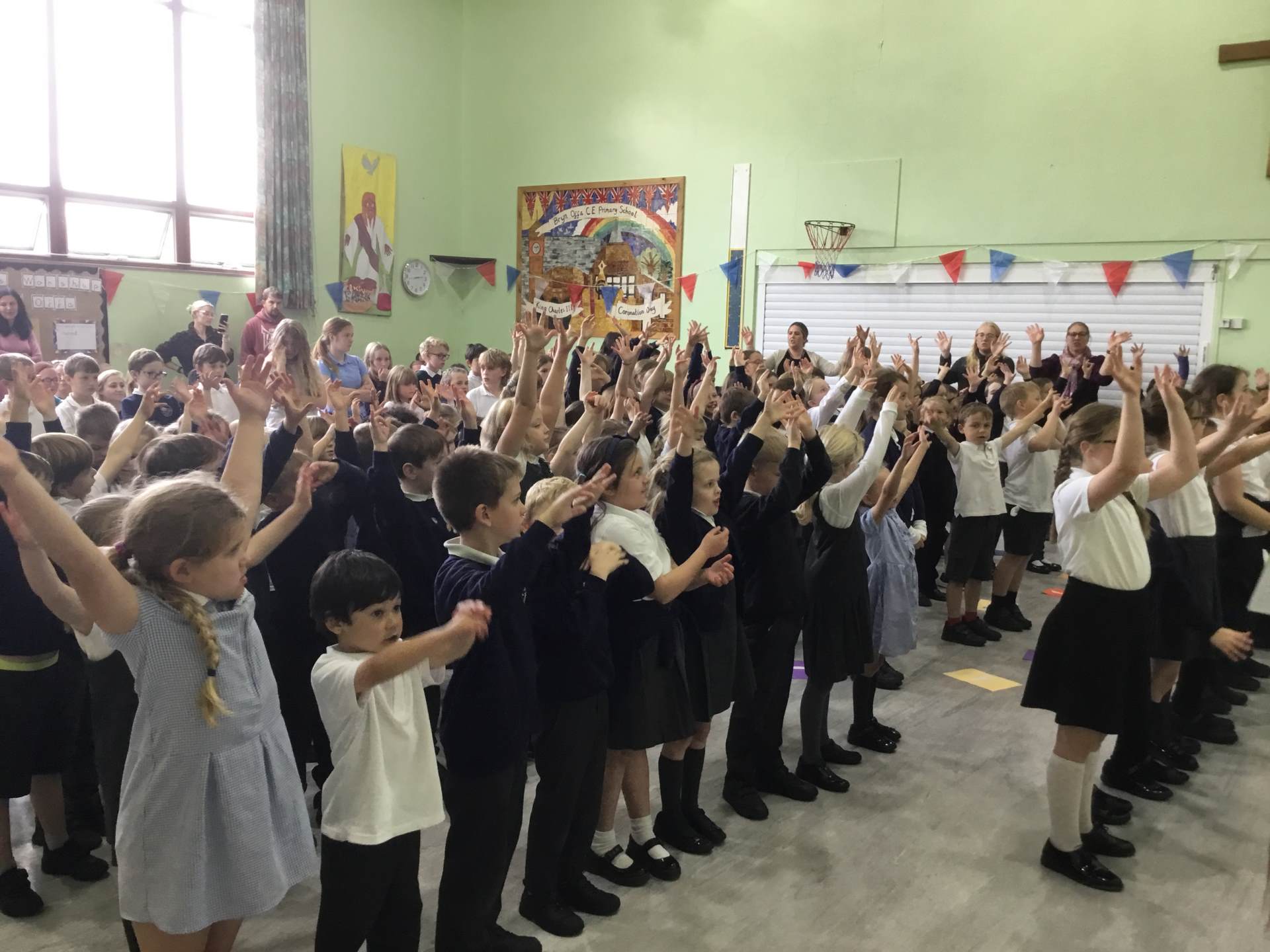
- Weekly ‘Songs of Praise’ assemblies promote vocal confidence, collective worship, and spiritual reflection. Songs are chosen to reflect school values, cultural diversity, and emotional depth.
- Class-based singing activities follow MMC progression, developing pitch, rhythm, and expression.
Listening:
- Pupils explore a wide range of musical genres, traditions, and composers, including classical, folk, world music, and contemporary styles.
- Listening tasks are linked to themes, artists, and cross-curricular topics, encouraging reflection and cultural appreciation.
- Children are taught to respond to music using musical vocabulary and personal interpretation.
Composing:
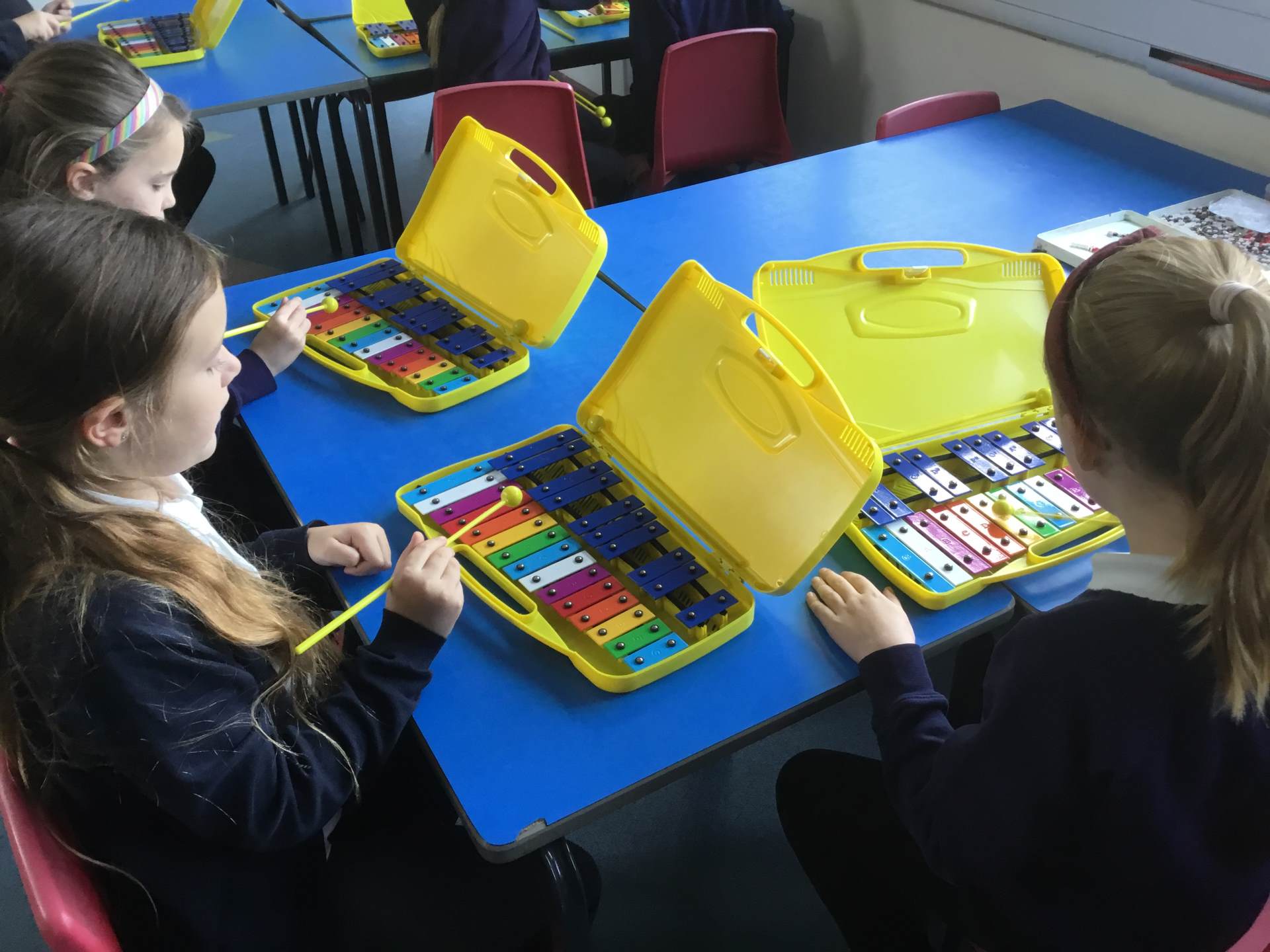
- Pupils engage in creative composition using tuned and untuned instruments, body percussion, and digital tools.
- Composition tasks are often linked to wider curriculum themes (e.g. nature, emotions, historical events) to deepen meaning and engagement.
Performing:
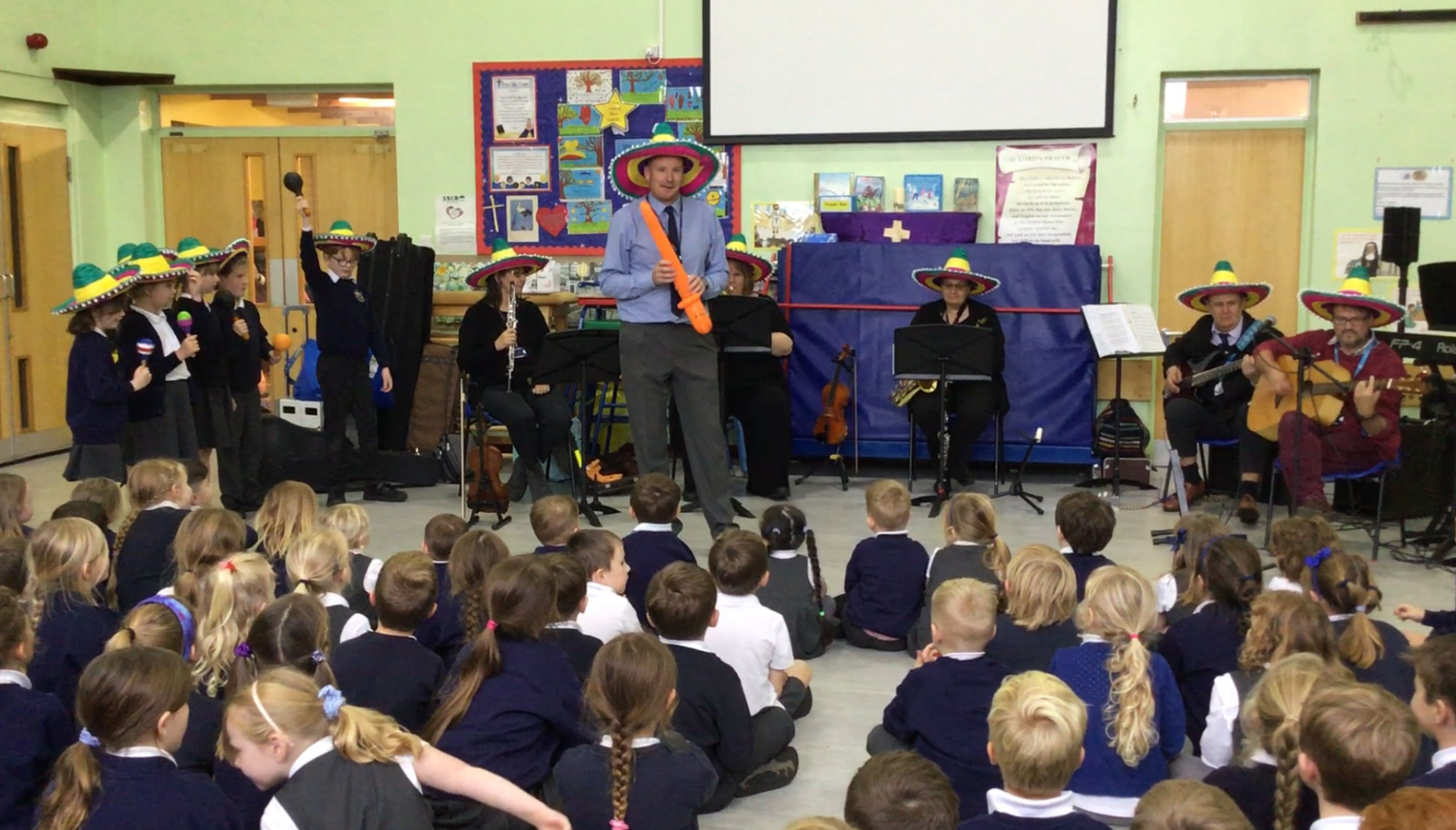
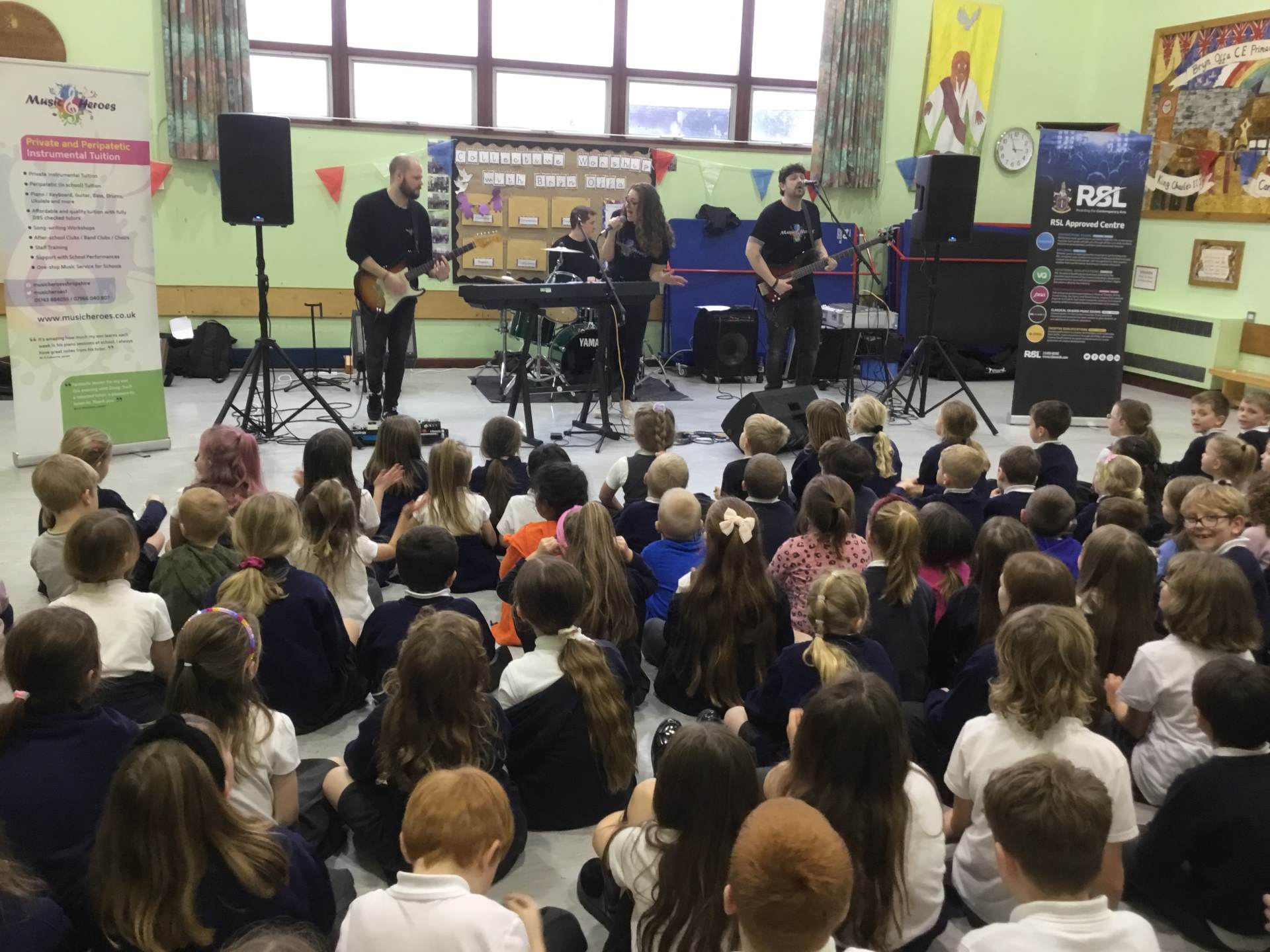
- Regular opportunities for performance include class sharing, assemblies, church services, and school productions.
- Pupils perform individually and in ensembles, building confidence, teamwork, and pride.
- Pupils explore music through movement, storytelling, and visual arts, supporting holistic development.
- SEND-inclusive strategies ensure all learners can participate meaningfully, with adapted instruments, visual aids, and differentiated tasks.
Planning and Progression:
- Long-term and medium-term planning follows MMC guidance, ensuring clear progression from EYFS to Year 6 in mixed year group classes.
- Assessment is reflective, focusing on musical understanding, personal growth, and engagement.
Impact
The impact of our music curriculum at Bryn Offa is seen in the way pupils grow as confident, expressive, and reflective individuals. Through high-quality teaching and meaningful musical experiences, children develop not only musical skills but also emotional awareness, cultural understanding, and spiritual depth.
Progression and Achievement:
- Pupils demonstrate secure progression in singing, listening, composing, and performing, in line with MMC expectations.
- Children use musical vocabulary confidently and can discuss music with insight and personal response.
Pupil Voice and Engagement:
- Pupils speak positively about music.
- Children like to share their ideas and compositions, showing pride in their musical identity.
- Engagement in music is high across all groups, including SEND and disadvantaged pupils.
Confidence and Performance:
- Pupils perform with growing confidence in assemblies, church services, and productions.
- They collaborate effectively in ensembles, showing teamwork, resilience, and mutual respect.
Emotional and Spiritual Development:
- Music supports pupils’ emotional literacy, helping them explore and express feelings safely.
- Reflective listening and singing in worship deepen spiritual awareness and connection.
- Children show empathy and appreciation for diverse musical traditions and perspectives.
Cultural and Cross-Curricular Impact:
- Pupils make meaningful links between music and other subjects, including art and history.
- Cultural capital is enriched through exposure to a wide range of musical styles, traditions, and composers.
Useful Websites
Here are some useful websites for you to support your child's music learning at home:
-
Chrome Music Lab: Children can experiment by making different sounds and using lots of musical styles Chrome Music Lab (chromeexperiments.com)
-
BBC Bitesize: This website has loads of great activities and learning opportunities Music – BBC Bitesize
-
Tune In: A radio station created just for children so you shouldn’t have to worry about lyrics or other content which is inappropriate